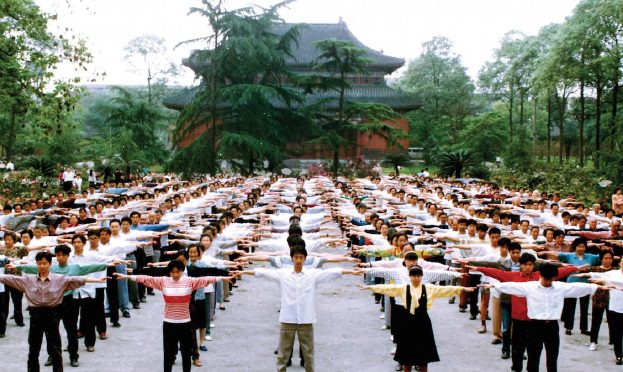
Falun Dafa, also known as Falun Gong, is a spiritual practice based on meditation, five exercises and the principles of Truthfulness, Compassion and Forbearance.
Since July 1999, the Chinese Communist Party has carried out a nationwide campaign to suppress the practice and those who follow it.
Falun Info Center, India documents the persecution, its impact beyond China, and developments relevant to India.
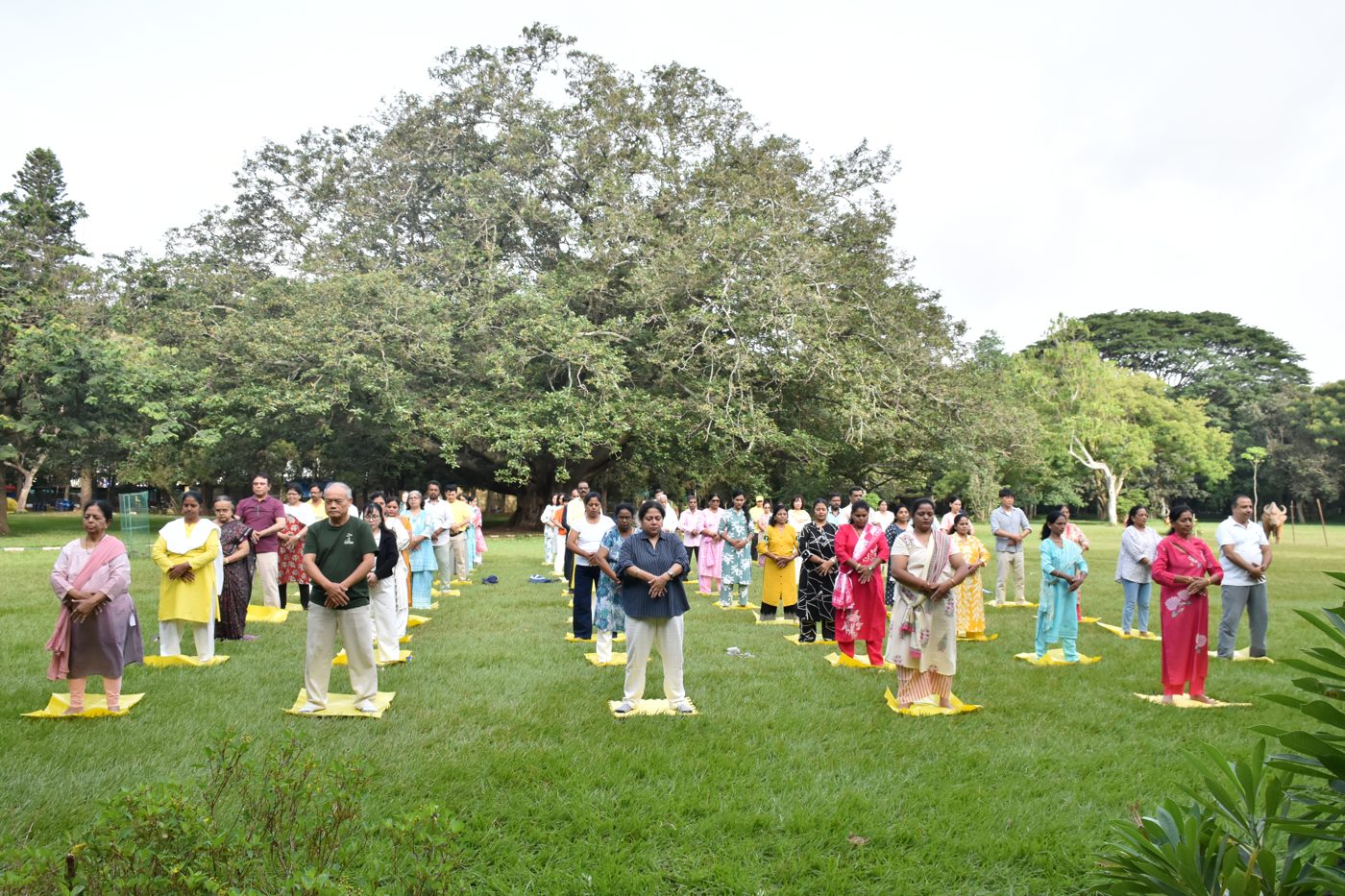
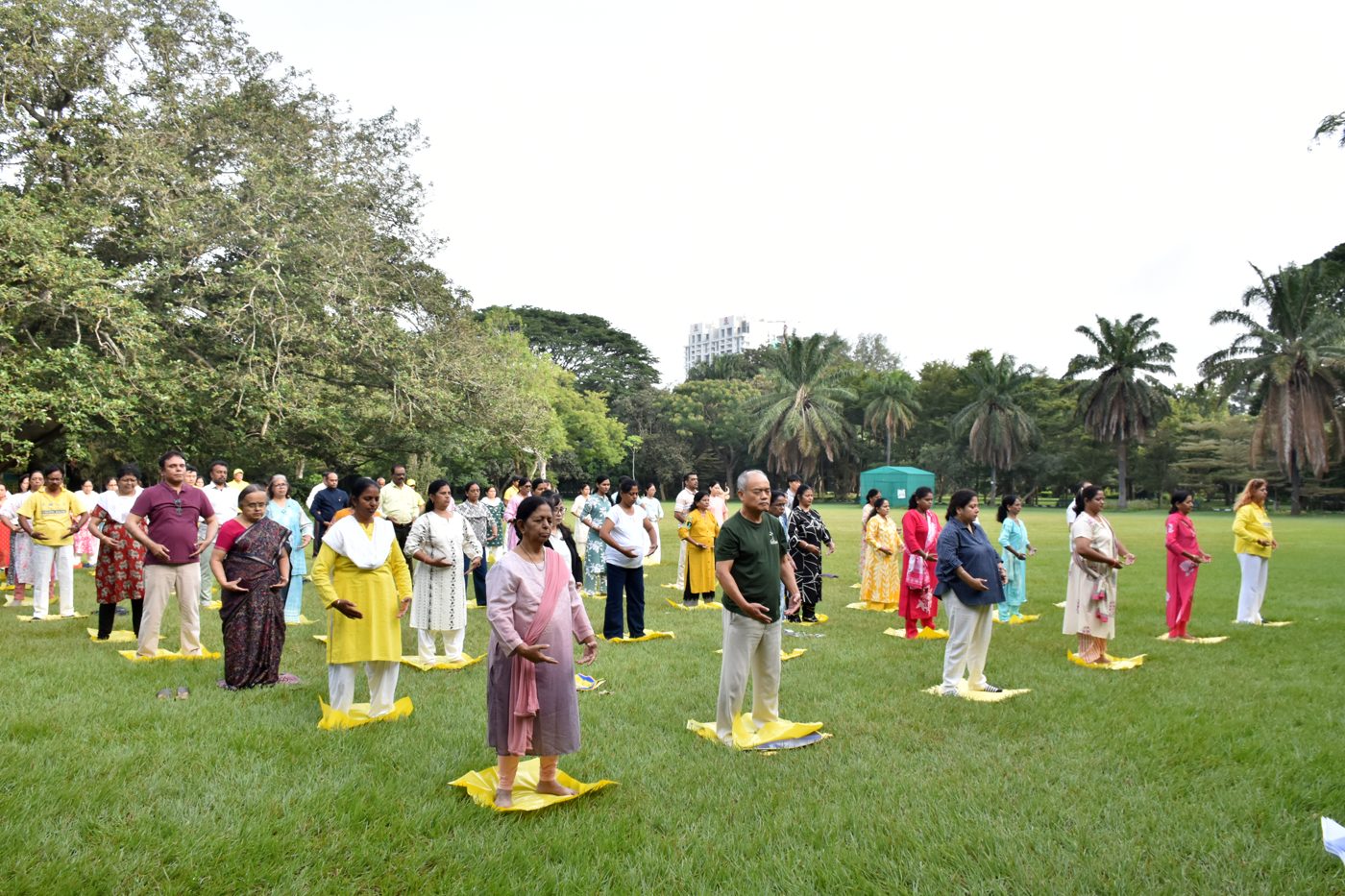




What Happened?
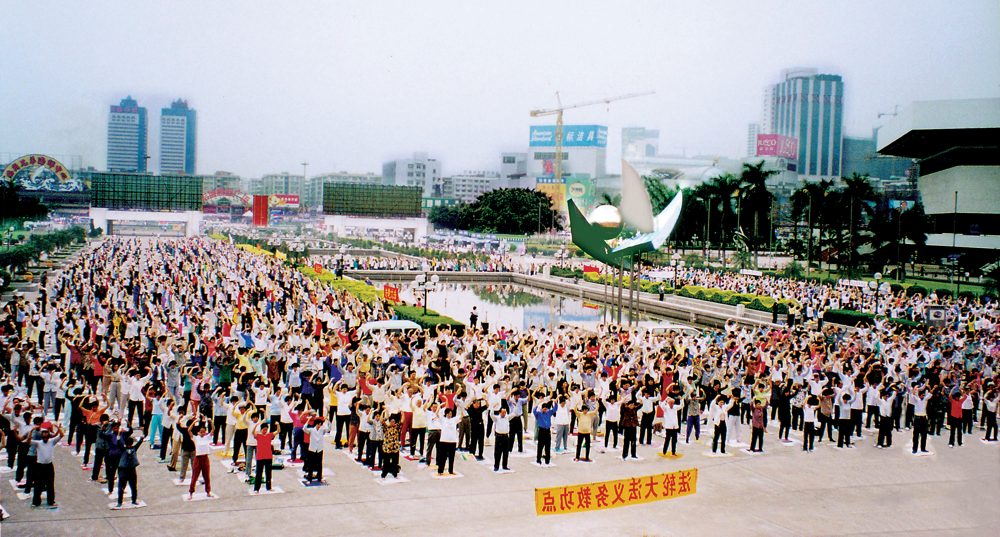
Falun Dafa was introduced publicly in China in 1992 and spread widely through word of mouth. By the late 1990s, tens of millions of people were practising across the country.
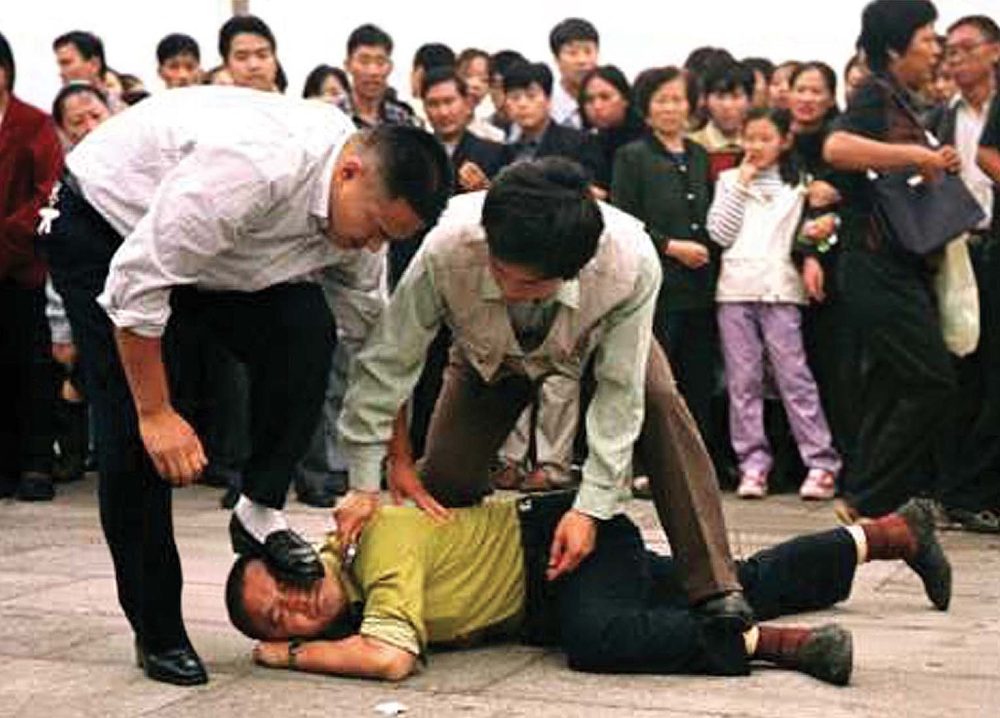
In July 1999, then-CCP leader Jiang Zemin launched a nationwide campaign to eliminate Falun Dafa. Practitioners were subjected to arrest, detention, imprisonment, coercive “transformation,” censorship and propaganda.
Over time, practitioners and organisations outside China have reported surveillance, intimidation, diplomatic pressure, interference with events and other forms of transnational repression.
Why Was Falun Dafa Targeted?
The answer lies not in the exercises themselves, but in the nature of independent belief under one-party rule.
By the late 1990s, Falun Dafa had become enormously popular while remaining independent of Communist Party control. Its spiritual teachings, large following and autonomous community increasingly conflicted with a political system that sought ideological authority over organised social life.
The persecution that followed was not simply a ban on a meditation practice. It became an effort to force practitioners to renounce their beliefs and to reshape how the wider public understood Falun Dafa.
What Does the Persecution Look Like?
Practitioners have been detained, imprisoned and sentenced for refusing to renounce their beliefs or for distributing information about the persecution.
Human-rights reports and survivor testimonies have documented physical abuse, torture and coercive efforts to force practitioners to abandon their faith.
The crackdown was accompanied by a large-scale state propaganda campaign designed to demonise Falun Dafa, justify repression and isolate practitioners socially.
Investigators, parliamentary bodies and independent tribunals have examined allegations that prisoners of conscience, particularly Falun Dafa practitioners, have been killed for their organs. The Chinese government denies that such abuses occur.
Beyond China
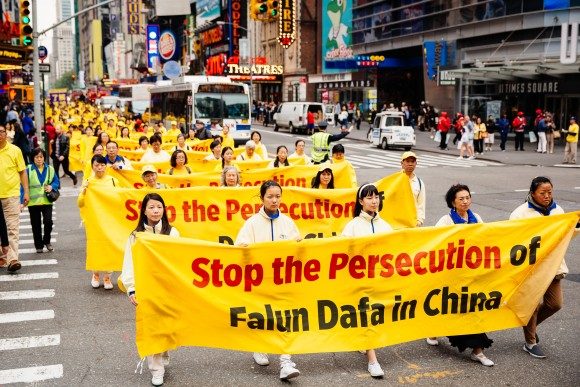
Falun Dafa practitioners outside China live in free societies, practise openly and participate in public life.
Yet over the years, governments, courts, researchers and civil-society organisations have documented or examined incidents involving surveillance, threats, interference, diplomatic pressure and other attempts to extend the CCP’s political red lines beyond China’s borders.
When that pressure touches journalists, public institutions or civil society in another country, the issue is no longer only about Falun Dafa.
It becomes a question of press freedom, freedom of belief, foreign influence and national sovereignty.
For India, these questions deserve particular attention whenever a foreign government seeks to influence who may speak, report, assemble or ask questions on Indian soil.
Latest Analysis & Reporting
Examining the persecution through the lenses of press freedom, foreign policy, human rights, propaganda, medical ethics and India’s national interest.
The most consequential part of ThePrint’s recent report about China and the forthcoming BRICS summit may not be about Falun Gong at all.
Falun Info Center, IndiaTo most Indians encountering Falun Dafa for the first time, there is little about it that looks geopolitical.
Falun Info Center, IndiaFor years, discussions about Falun Gong were framed largely as a human-rights issue inside China.
Falun Info Center, IndiaThere is a simple rule journalists apply to governments, corporations and political parties:
Falun Info Center, IndiaEvidence Standard
FalunInfo.in aims to distinguish clearly between documented facts, allegations, official positions and independent findings.
Our articles link, wherever possible, to primary records and credible external sources including court documents, government reports, parliamentary material, human-rights organisations, independent investigations and original media coverage.
On disputed subjects, we seek to identify what has been established, what remains contested and what the Chinese government has denied.
FalunInfo.in focuses on the persecution and related public-interest issues.
If you would like to learn Falun Dafa, read the teachings or find a local practice site in India, please visit the official Falun Dafa websites: FalunDafa.org · FalunDafaIndia.org · India practice sites (activities are free of charge and volunteer-run).
Need background information, source material, clarification or someone who can speak further?
Falun Info Center, India can help journalists access relevant documents, practitioners and subject-matter resources.